They had no soul.
We gave them one.
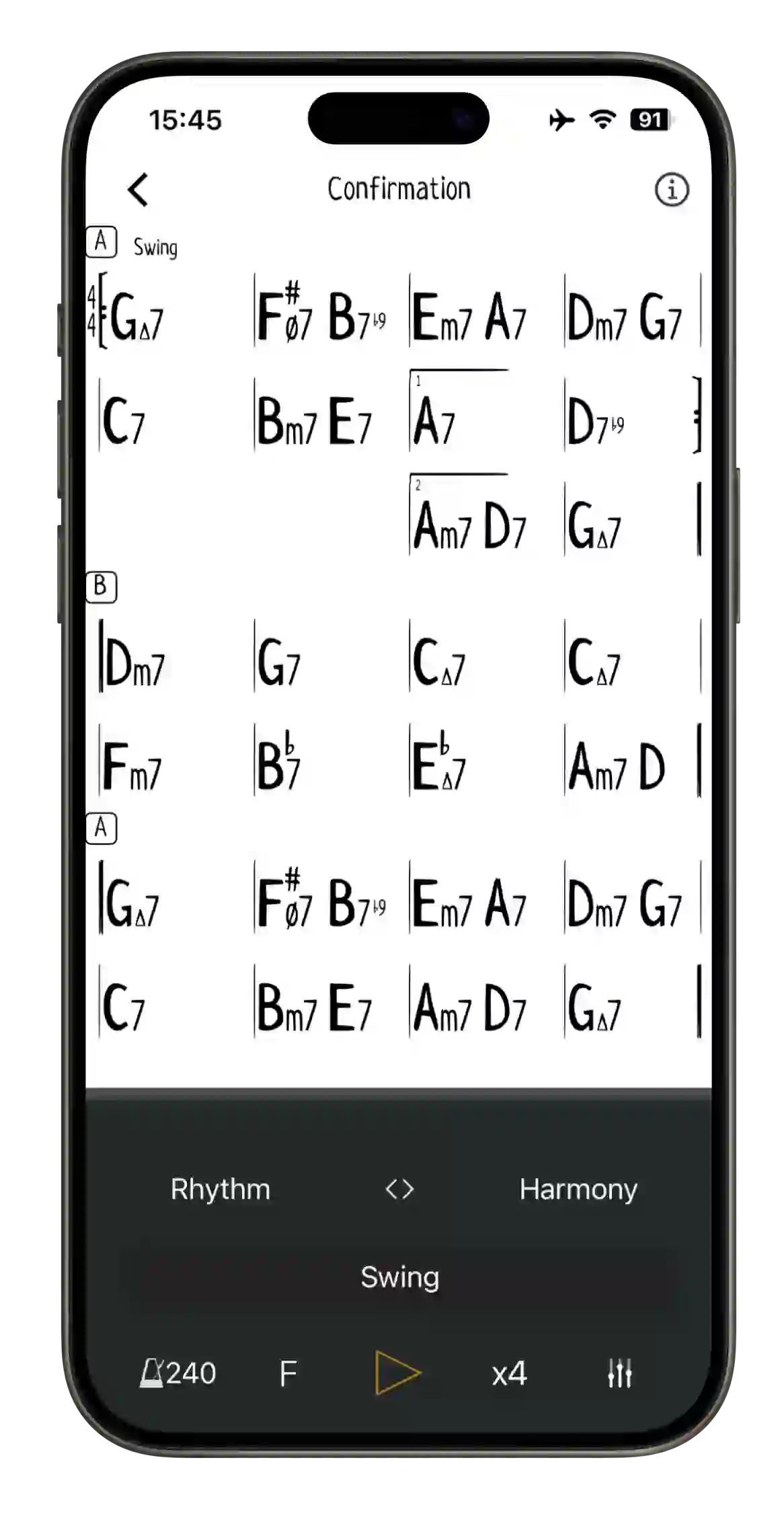
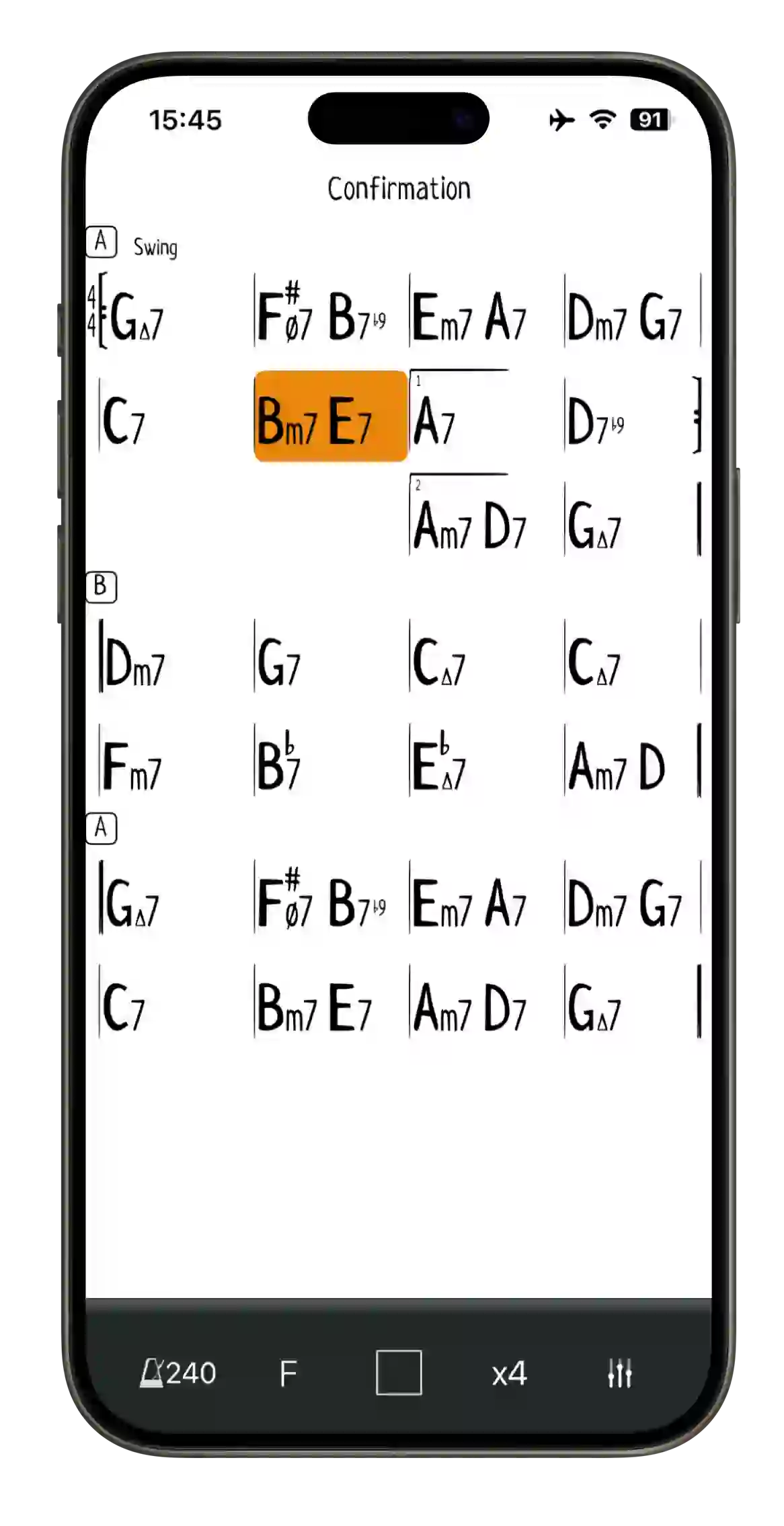
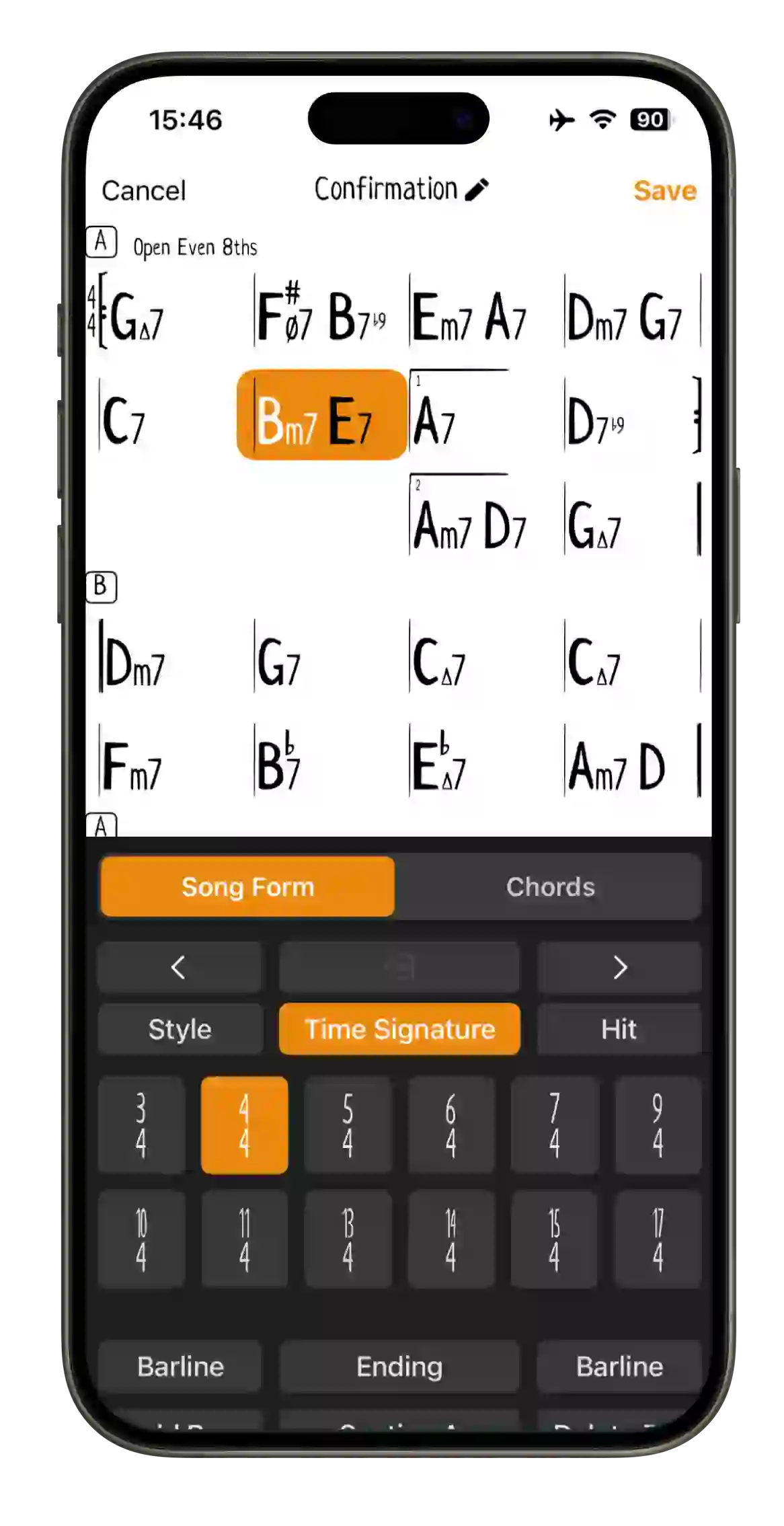
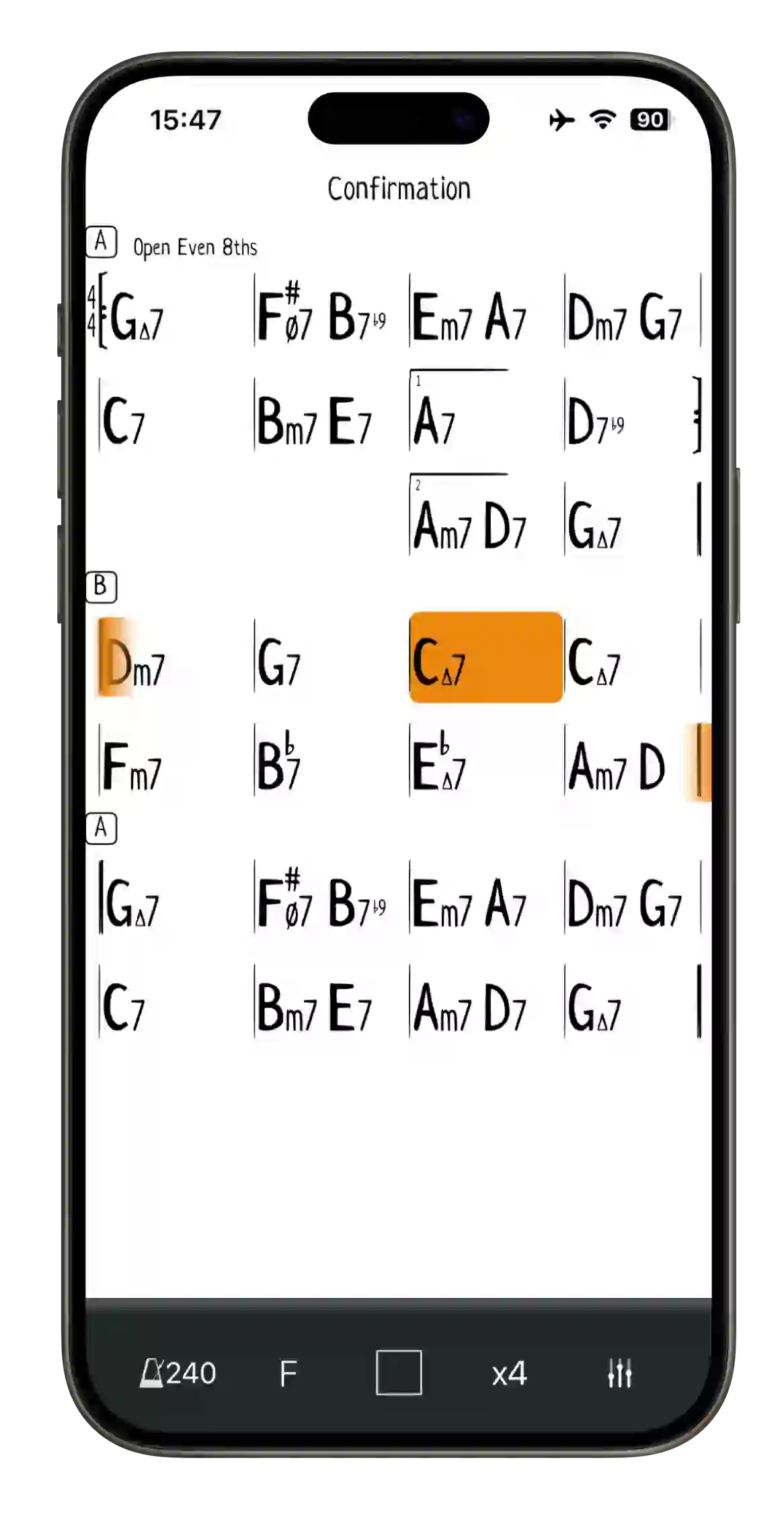
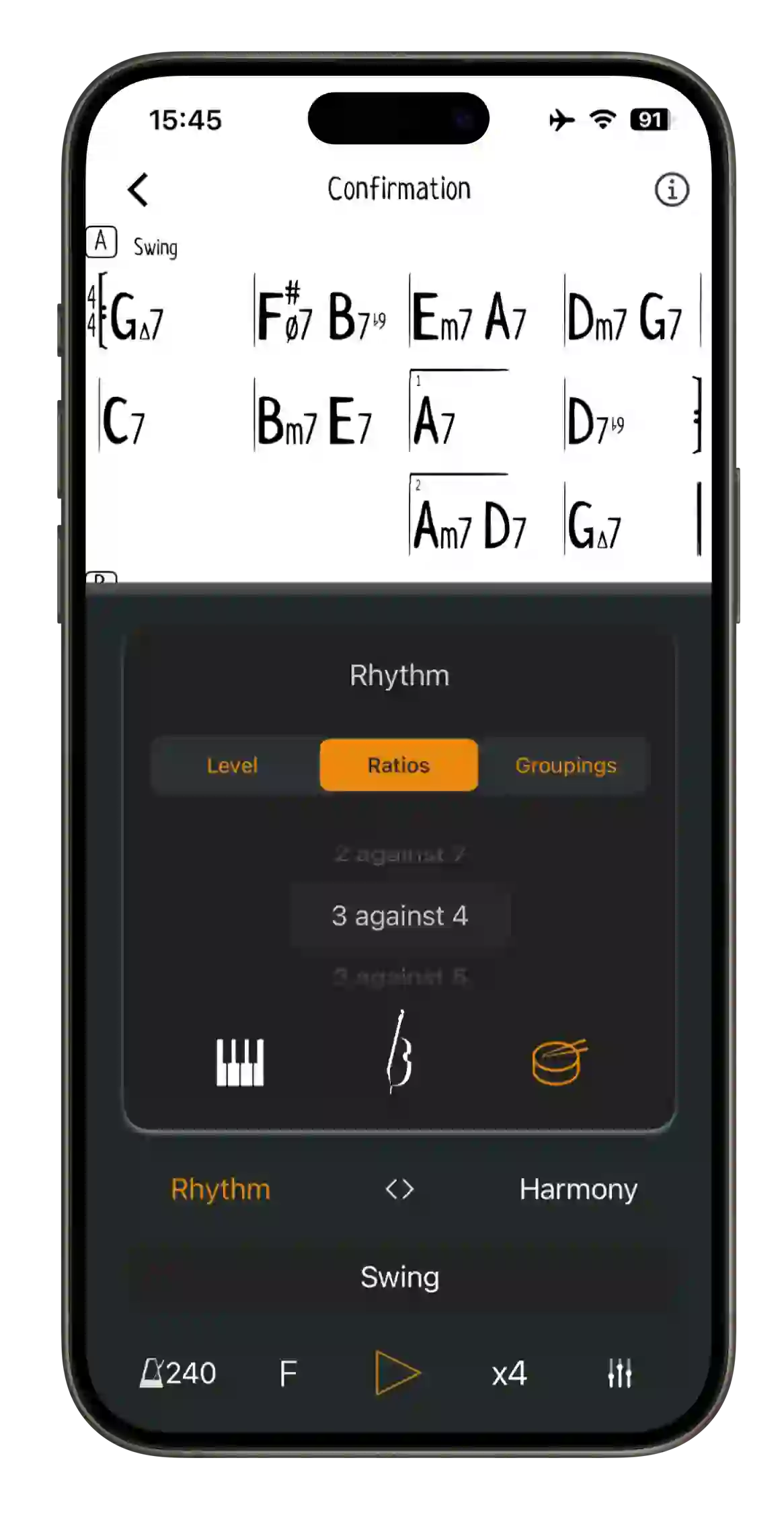
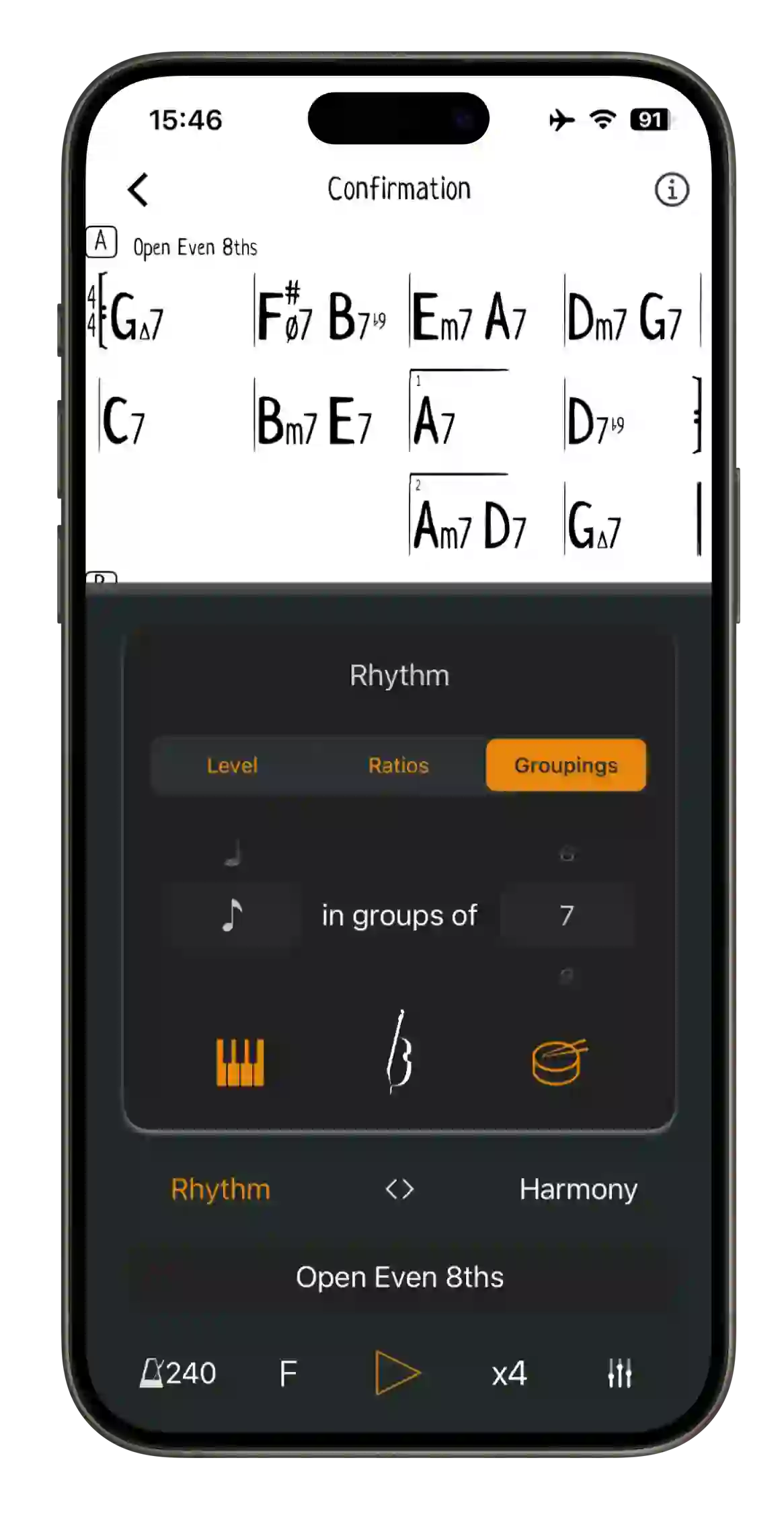
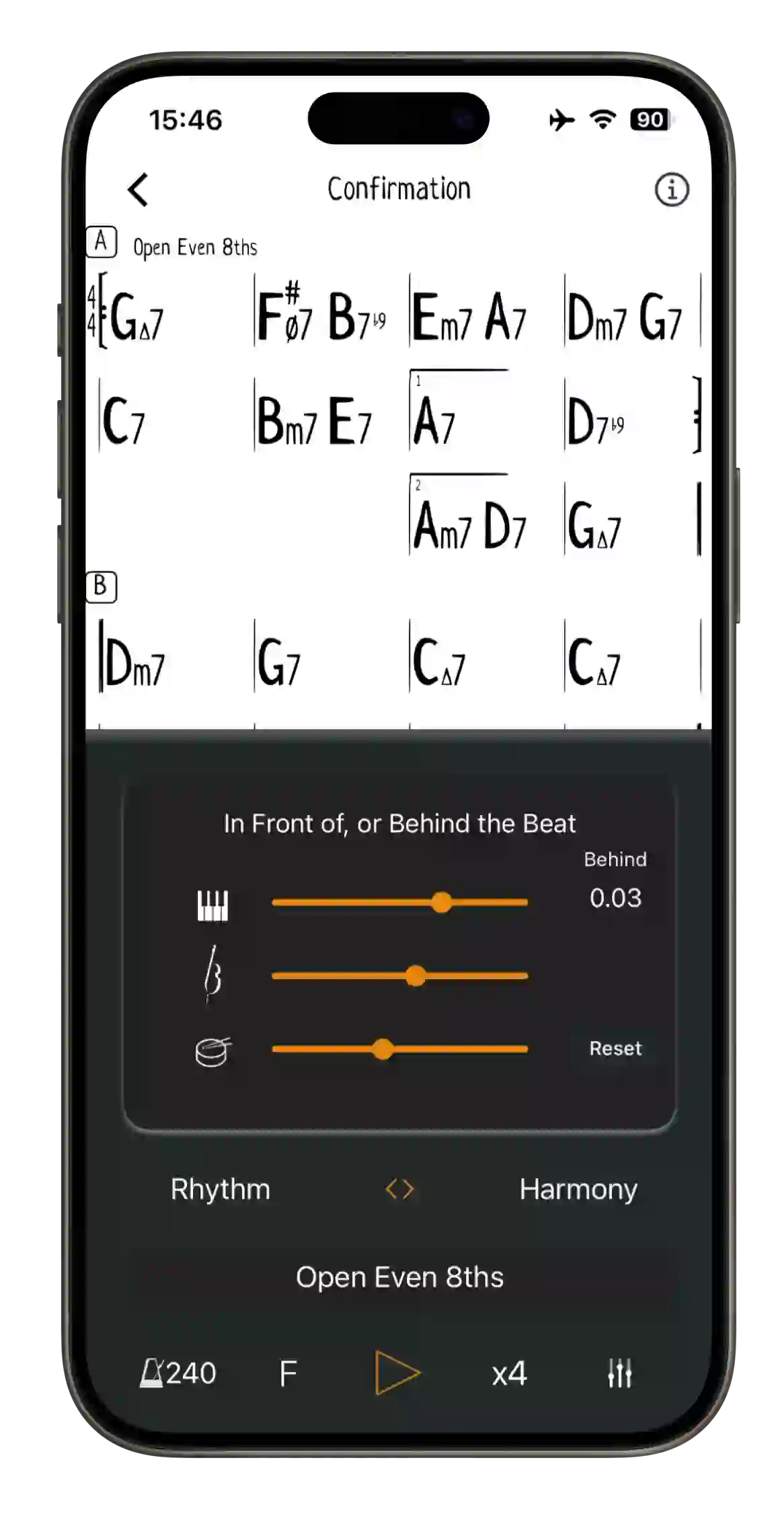
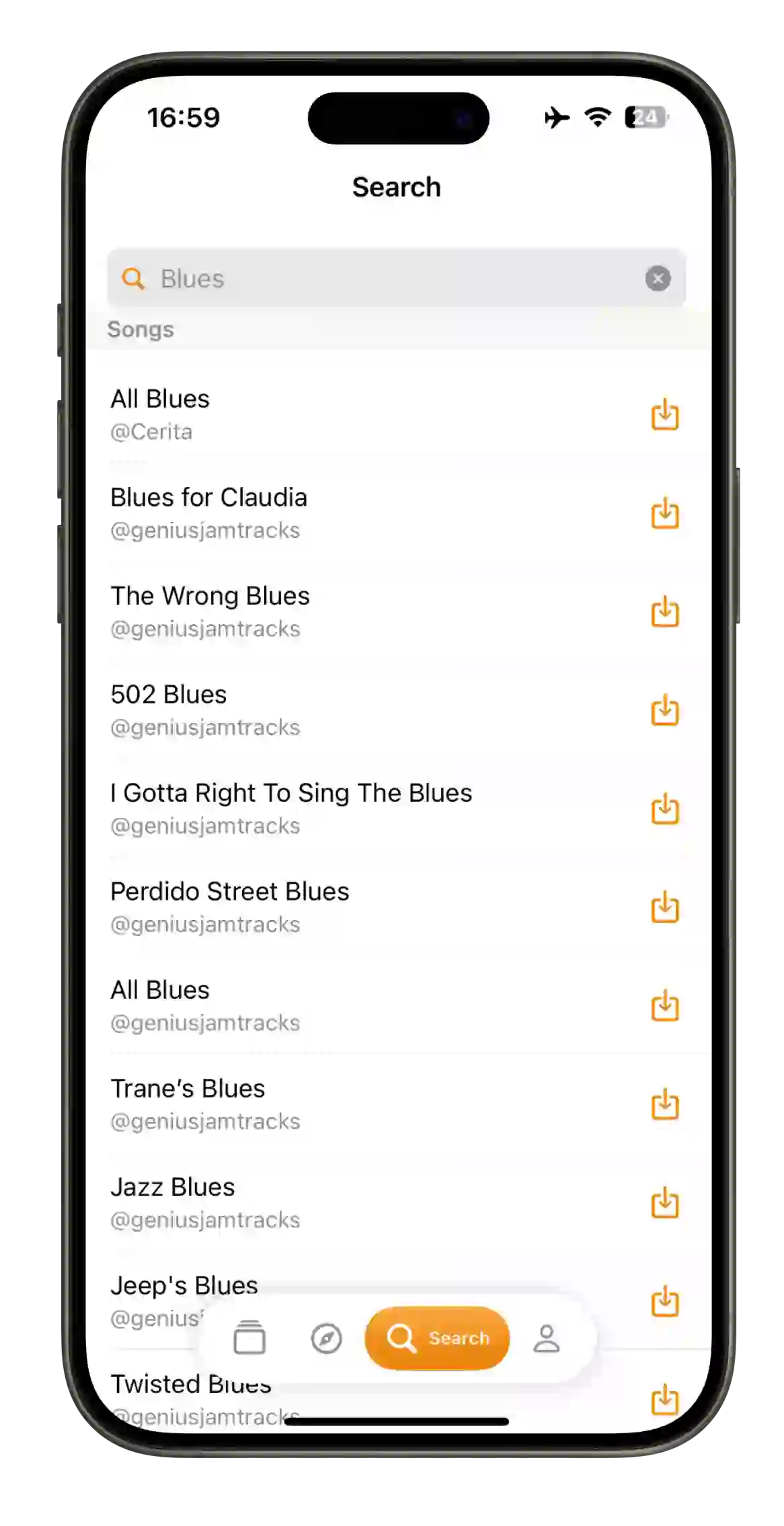
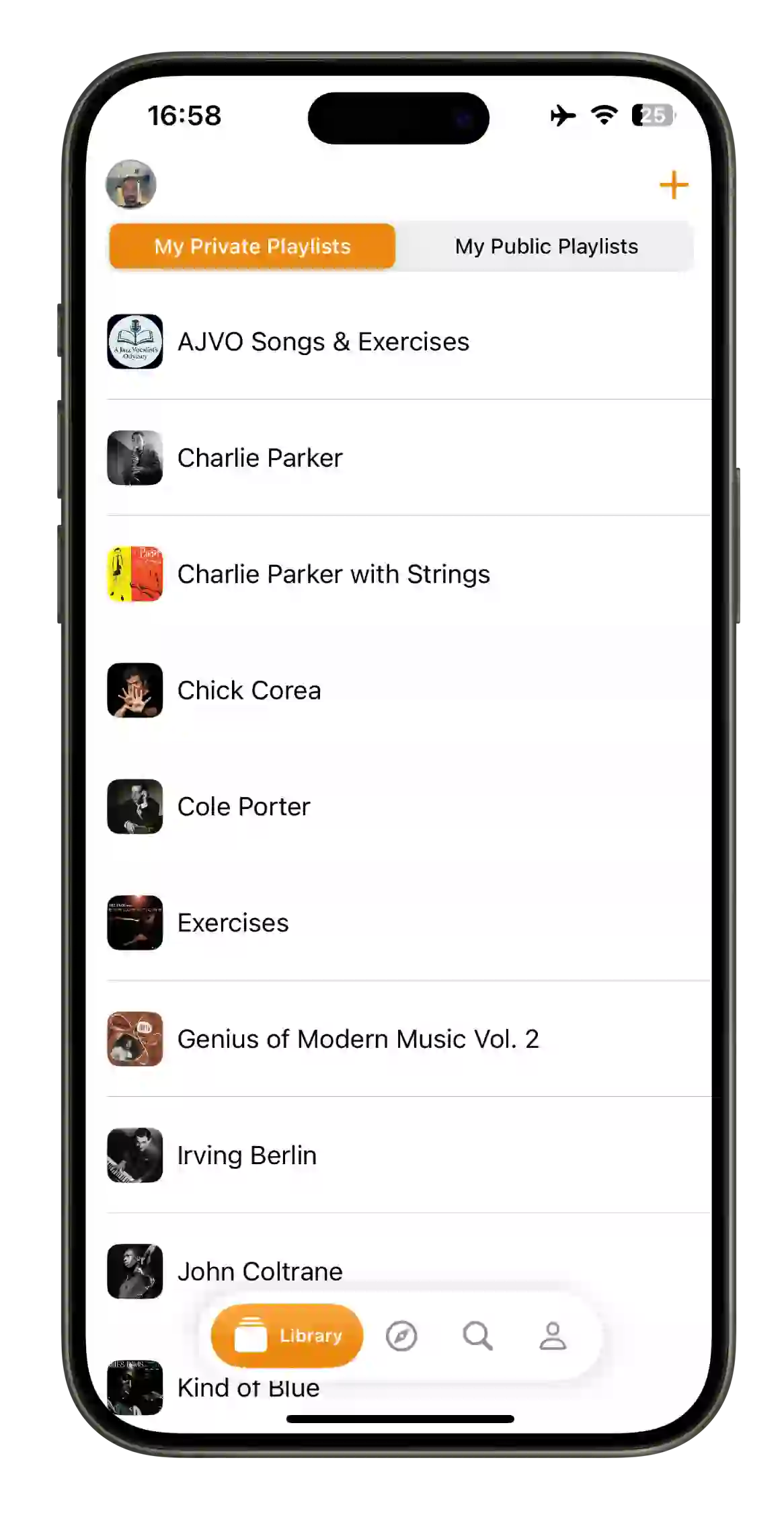
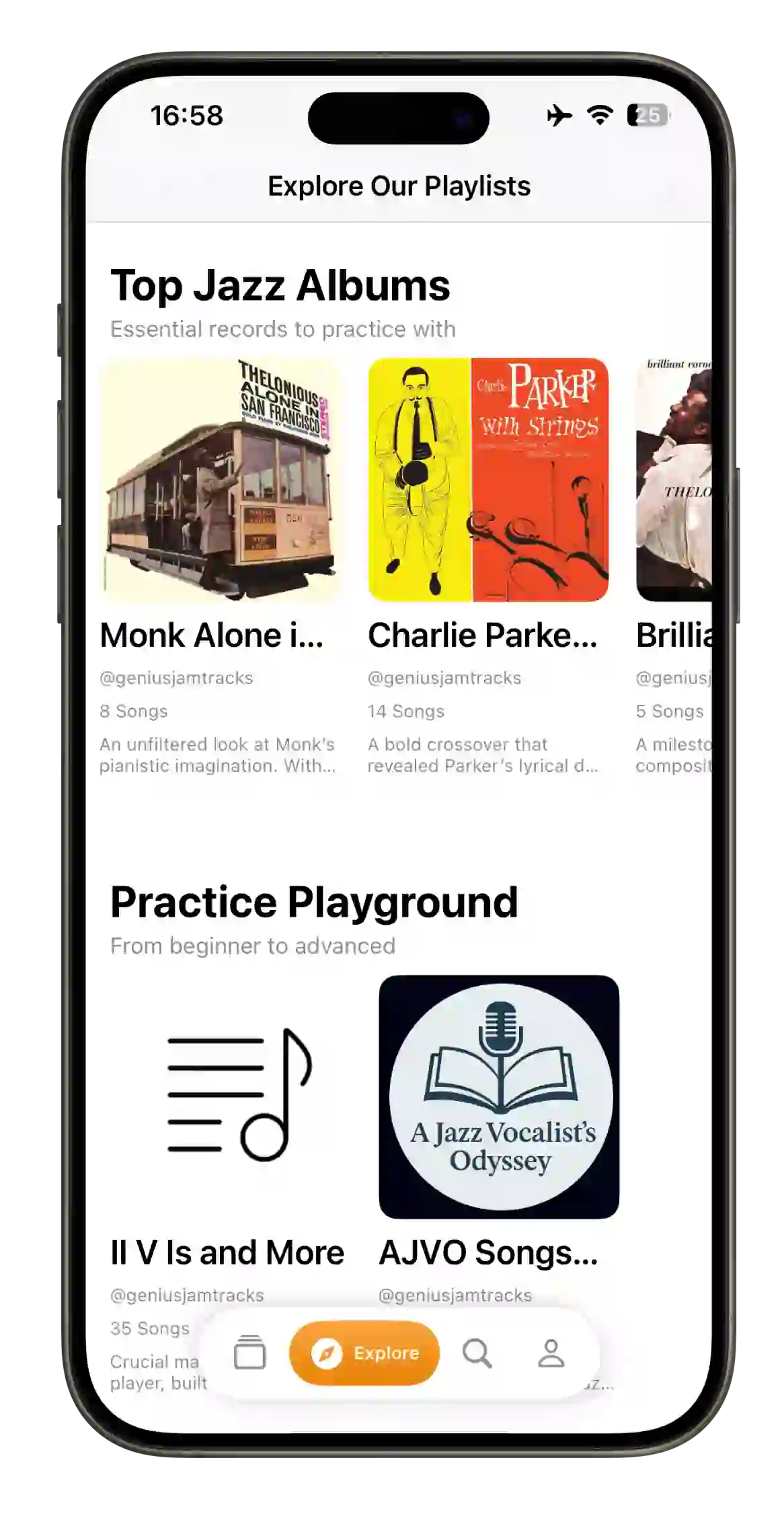
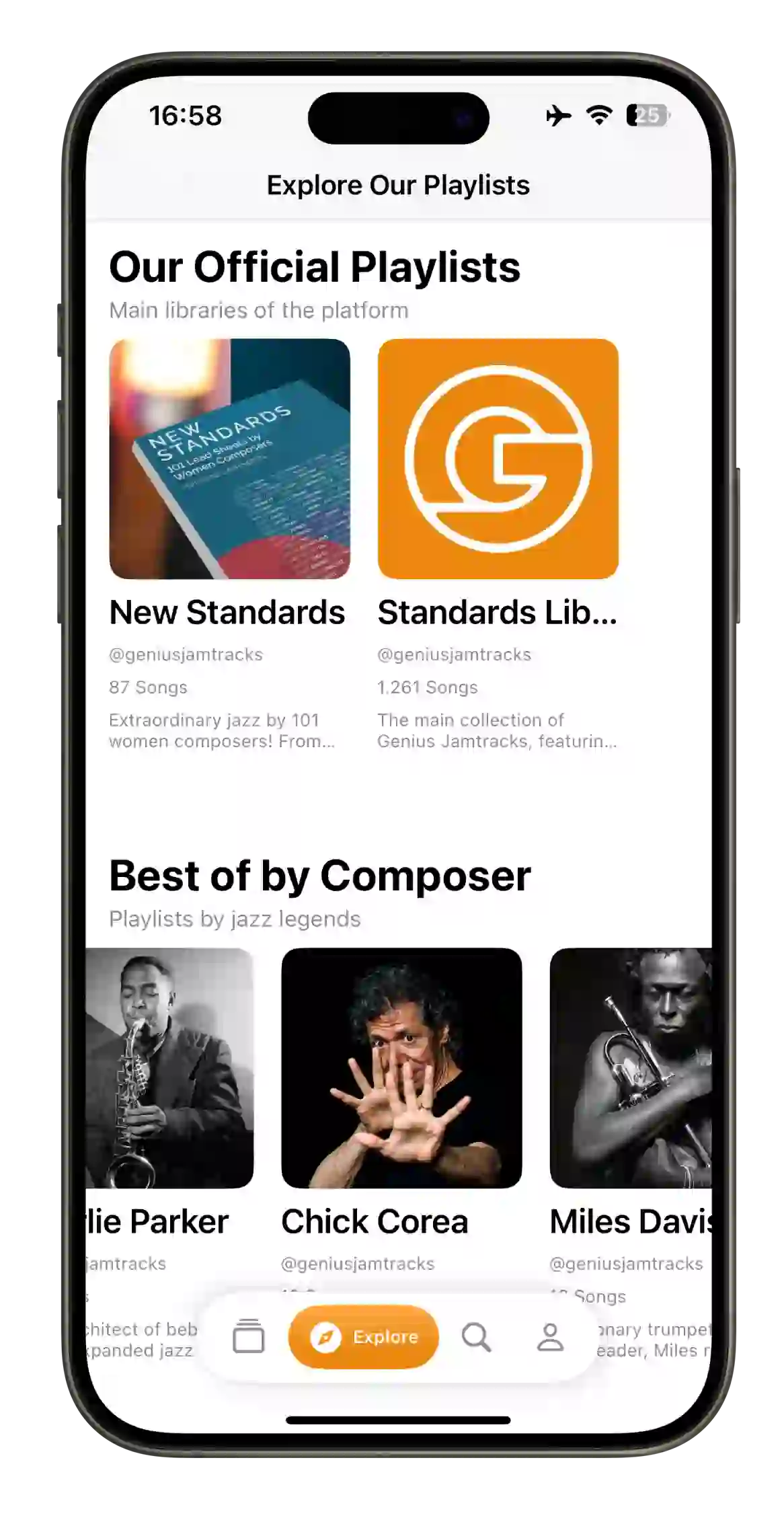
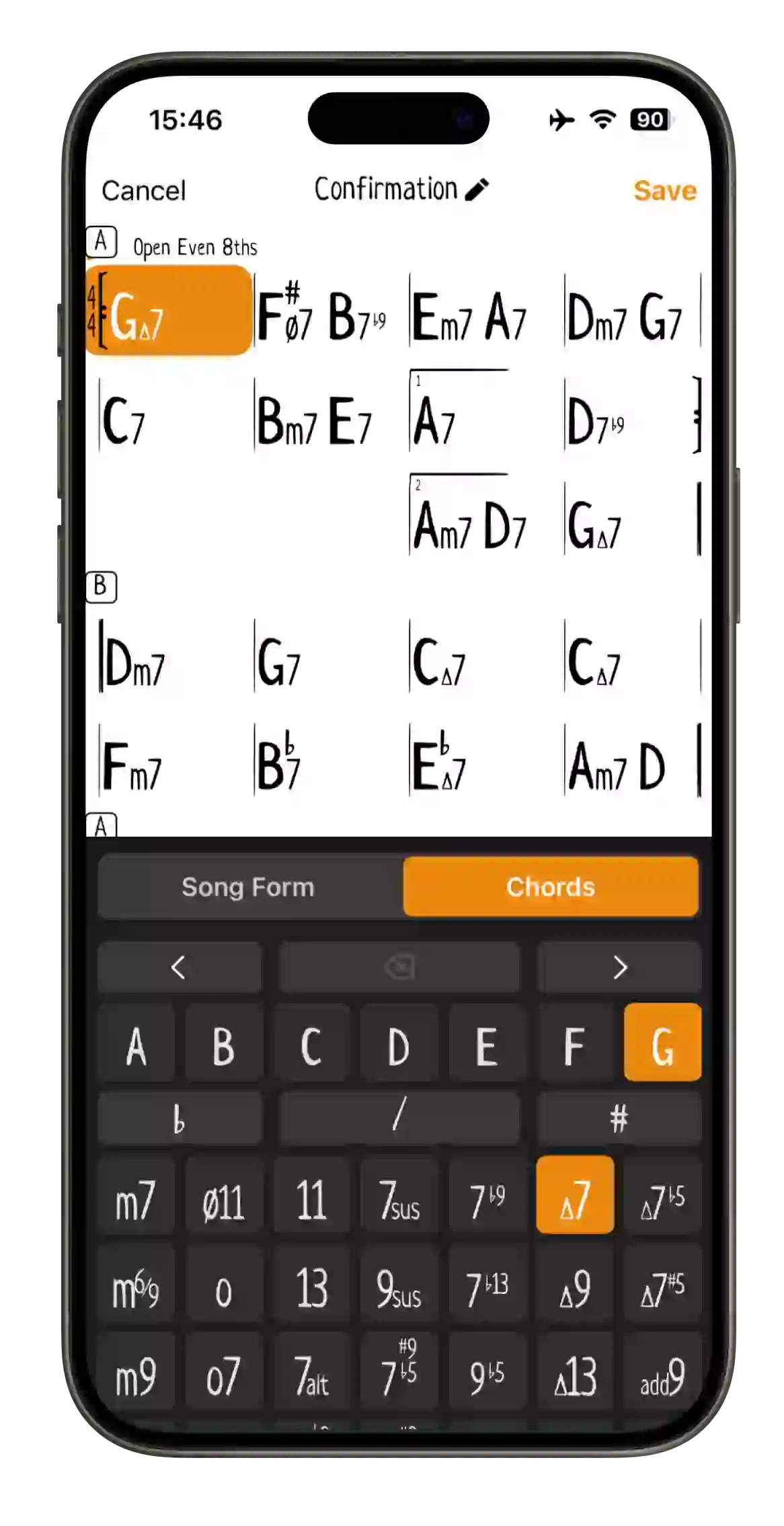


The only play-along app that improvises with you.
Learn moreCourses & More
Learn from top jazz musicians.
Explore our courses in improvisation, rhythm, harmony, and more.


Essential Tools for Jazz Musicians

Genius Jamtracks
More than a MIDI player. Genius Jamtracks puts you in the room with real musicians, making every session feel alive and inspiring.

PitchBop
PitchBop is the ultimate ear training. You respond to call-and-response phrases by actually playing or singing.

Genius Tuner
Free real-time pitch tuner for any instrument, powered by your microphone.

Genius JamCats Podcast
Hosted by Emma Collier and brought to you by the creators of Genius Jamtracks and PitchBop.
Browse Episodes
Coming Soon: The First Virtual Jazz Quartet That Actually Improvises
Our rhythm section and soloist can improvise in real time over any jazz tune. It’s not just loops, it’s a conversation sparked by the moment.
Want to join our testers team?
Apply NowAlternative and Inspiring

Practice inside
the music.